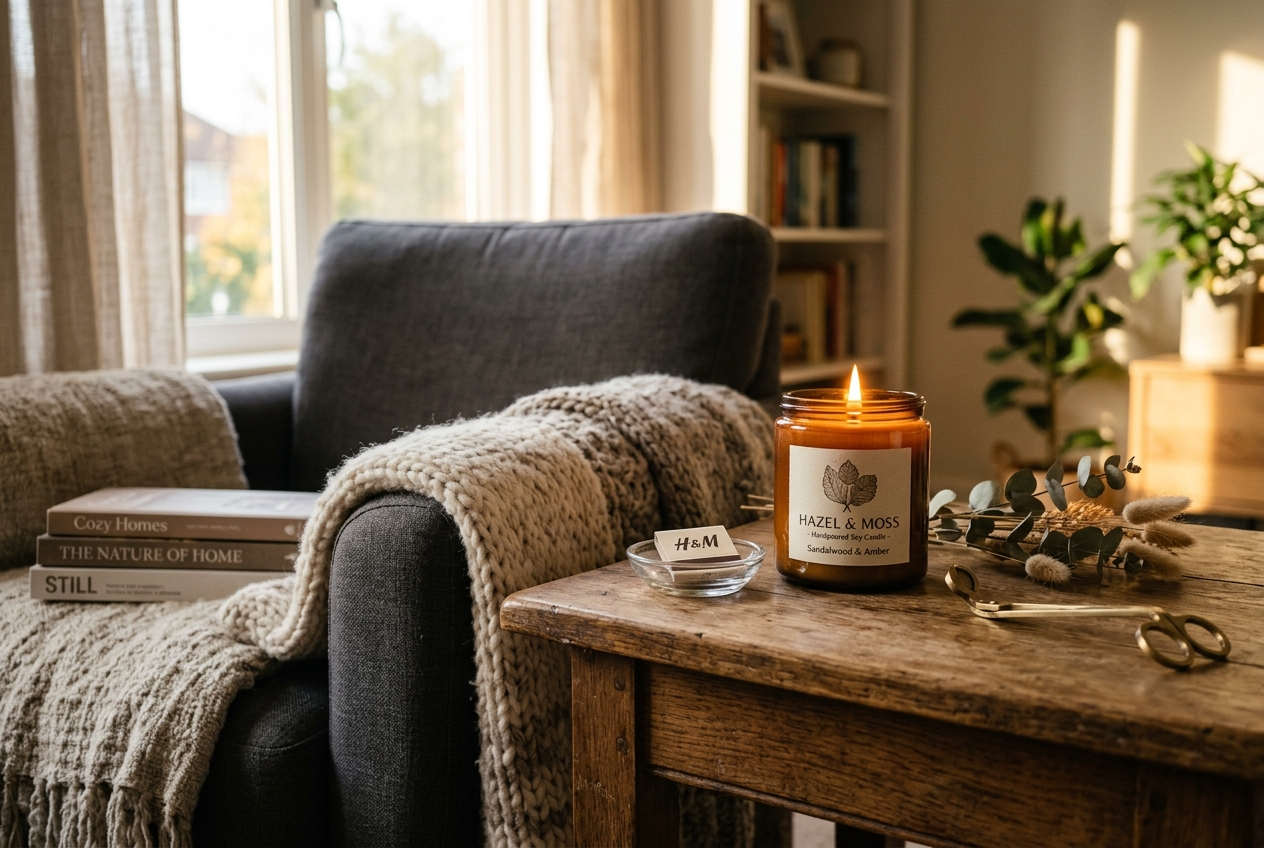
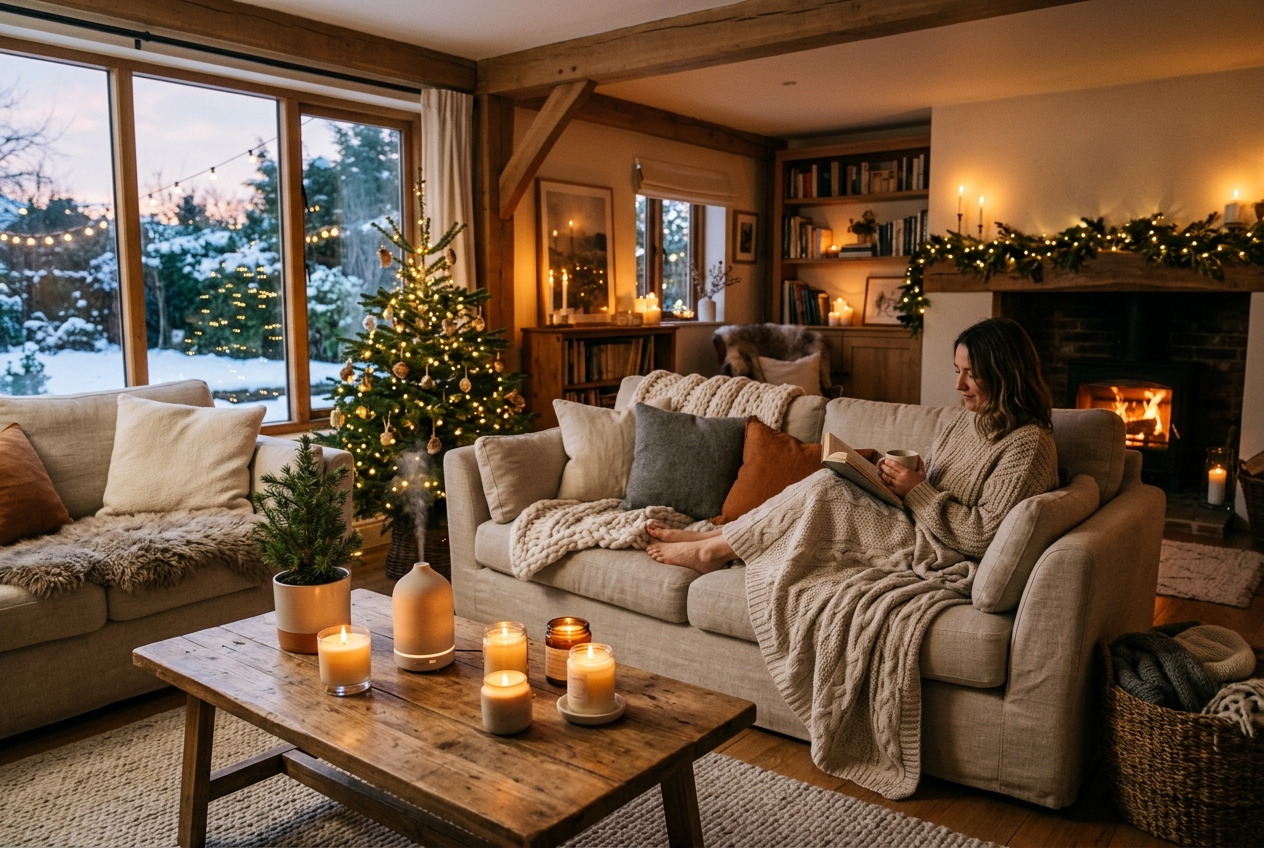
Candle making was developed independently in many places throughout history.
Candles have been used as a source of light and to illuminate celebrations for more than 5,000 years, yet little is known about their origin. The earliest use of candles is often attributed to the Ancient Egyptians, who made rushlights or torches by soaking the pithy core of reeds in melted animal fat. However, the rushlights had no wick like a true candle.

Early Wicked Candles
While the Egyptians were using wicked candles in 3,000 B.C., the ancient Romans are generally credited with developing the wicked candle before that time by dipping rolled papyrus repeatedly in melted tallow or beeswax. The resulting candles were used to light their homes, to aid travellers at night, and in religious ceremonies. While oil lamps were the most widely used source of illumination in Roman Italy, candles were common and regularly given as gifts during Saturnalia.
Historians have found evidence that many other early civilizations developed wicked candles using waxes made from available plants and insects. Early Chinese candles are said to have been moulded in paper tubes, using rolled rice paper for the wick, and wax from an indigenous insect that was combined with seeds. In Japan, candles were made of wax extracted from tree nuts, while in India, candle wax was made by boiling the fruit of the cinnamon tree.
The early Greeks used candles on moon-shaped “cakes” of some sort to honour the goddess Artemis’s birth on the sixth day of every lunar month. The tradition of putting candles on birthday cakes for common mortals might be traceable to this custom, but cakes with any resemblance to modern Western birthday cakes only arose about 1600, in Europe.
It is also known that candles played an important role in early religious ceremonies. Hanukkah, the Jewish Festival of Lights which centers on the lighting of candles, dates back to 165 B.C. There are several Biblical references to candles, and the Emperor Constantine is reported to have called for the use of candles during an Easter service in the 4th century.
Middle Ages
Most early Western cultures relied primarily on candles rendered from animal fat (tallow). A major improvement came in the Middle Ages, when beeswax candles were introduced in Europe.
Colonial Times
Colonial women offered America’s first contribution to candlemaking, when they discovered that boiling the grayish-green berries of bayberry bushes produced a sweet-smelling wax that burned cleanly. However, extracting the wax from the bayberries was extremely tedious. As a result, the popularity of bayberry candles soon diminished.
19th Century Advances
Most of the major developments impacting contemporary candlemaking occurred during the 19th century. In the 1820s, French chemist Michel Eugene Chevreul discovered how to extract stearic acid from animal fatty acids. This led to the development of stearin wax, which was hard, durable and burned cleanly. Stearin candles remain popular in Europe today.
Paraffin wax was introduced in the 1850s, after chemists learned how to efficiently separate the naturally-occurring waxy substance from petroleum and refine it. Odorless and bluish-white in color, paraffin was a boon to candlemaking because it burned cleanly, consistently and was more economical to produce than any other candle fuel. Its only disadvantage was a low melting point. This was soon overcome by adding the harder stearic acid, which had become widely available. With the introduction of the light bulb in 1879, candlemaking began to decline.
The 20th Century
Candles enjoyed renewed popularity during the first half of the 20th century, when the growth of U.S. oil and meatpacking industries brought an increase in the byproducts that had become the basic ingredients of candles – paraffin and stearic acid.
The popularity of candles remained steady until the mid-1980s, when interest in candles as decorative items, mood-setters and gifts began to increase notably. Candles were suddenly available in a broad array of sizes, shapes and colors, and consumer interest in scented candles began to escalate.
The 1990s witnessed an unprecedented surge in the popularity of candles, and for the first time in more than a century, new types of candle waxes were being developed. In the U.S., agricultural chemists began to develop soybean wax, a softer and slower burning wax than paraffin. On the other side of the globe, efforts were underway to develop palm wax for use in candles.
Who invented soy candles?
Soy wax was invented in 1992 by Michael Richards who was looking for a cheaper alternative to beeswax. He realised very soon that there was a growing demand for natural wax candles within the candle industry.
He experimented with many different types of natural plant waxes such as a mixture of soy oil, coconut oil and palm oil, blended beeswax and soy wax as well as soy wax on its own. Soy wax is produced by hydrogenating soybean oil. Today there are many blends of vegetable waxes available.
It is produced without damaging the ecosystem and does not destroy precious rainforests or its inhabitants like palm oil does.
Soy candles are candles made from soy wax, which is a processed form of soybean oil. Soy wax has a lower melting point therefore can burn up to twice as long as similar sized paraffin wax candles.
Soy wax candles have an excellent scent throw when burning and even leave a pleasant aroma when cold.
Today’s Candles
Candles have come a long way since their initial use. While they are no longer used as a major source of light, they continue to grow in popularity and use. Today, candles serve to symbolize a celebration, ignite romance, soothe the senses, honour a ceremony, and accent home decors — casting a warm and lovely glow for all to enjoy.
Candles are used in many celebrations like Diwali, Christmas, New Year, Valentine’s Day.
Many religions celebrate major observances during the month of December, and the lighting of candles plays a great role in a variety of traditions. Hanukkah is known as the “feast of lights” so there is no surprise that lit candles are vital parts of this Jewish tradition.
Diwali is the festival of lights. It’s a five-day celebration that includes good food, fireworks, coloured sand, and special candles and lamps.
The Christian tradition of Christmas sees the lighting of the “Christ Candle” as a central part of Christmas Eve ceremonies.
Lighting a “unity” candle has become an increasingly popular part of wedding ceremonies, with brides and grooms
The act of placing a candle in a window date back to colonial times in the United States. Evoking familial warmth, people would place a candle in view of people outside the home as a beacon of good hope and a welcome to weary travellers. When family members were away, the candle could also represent the family calling their loved one back home.
Start Your Wellness Journey with our Calming, Natural Scents
Create A Haven of Relaxation with Our Natural Aromatherapy Candles from our Spa Collection